
Digital Energy Systems in Manufacturing
January 7, 2026How to rank higher on Google Maps?
August 12, 2026The Cost Benefits of Steel Agricultural Buildings for South African Farmers
Farming is a demanding industry where every investment must deliver real value. From machinery and livestock to storage facilities and workshops, agricultural infrastructure plays a major role in how efficiently a farm operates. For many farmers across South Africa, agricultural steel structures have become a practical and cost-effective solution for building barns, equipment sheds, feed storage facilities, and farm workshops.
Steel buildings offer long-term durability, lower maintenance costs, and faster construction compared to many traditional building methods. When farmers look at the total cost of ownership over time, agricultural steel structures often prove to be one of the most economical options available.
Lower Construction Costs
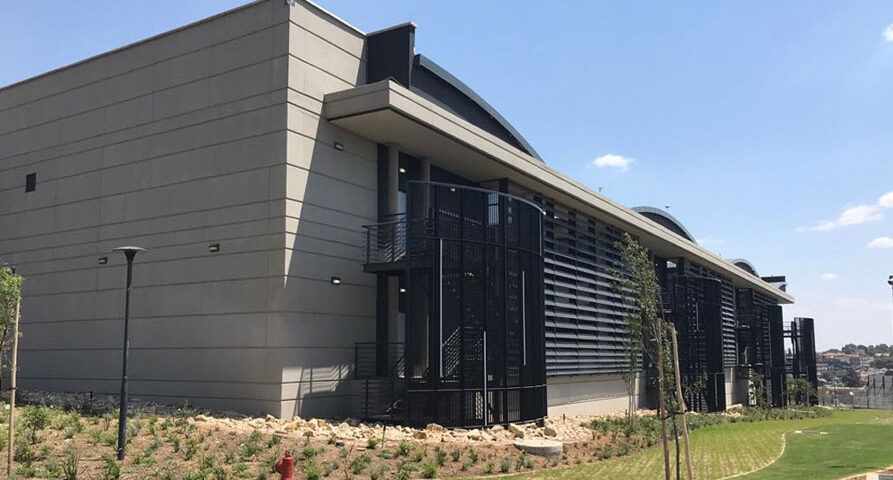
One of the main reasons farmers choose agricultural steel structures is the cost efficiency during construction. Steel buildings require fewer materials and less labour compared to traditional brick or concrete farm buildings.
Steel components are manufactured off-site and delivered ready for installation. This reduces on-site construction time and simplifies the building process. Because of this streamlined approach, labour costs are typically lower.
Farmers also benefit from the fact that steel structures can cover large areas with fewer internal supports. This reduces the amount of material required while still providing strong structural support.
For agricultural buildings such as equipment sheds, storage barns, or feed facilities, this combination of efficient design and faster construction can lead to significant cost savings.
Faster Building Times
Time is a valuable resource on any farm. Long construction projects can disrupt daily operations and delay important farm activities.
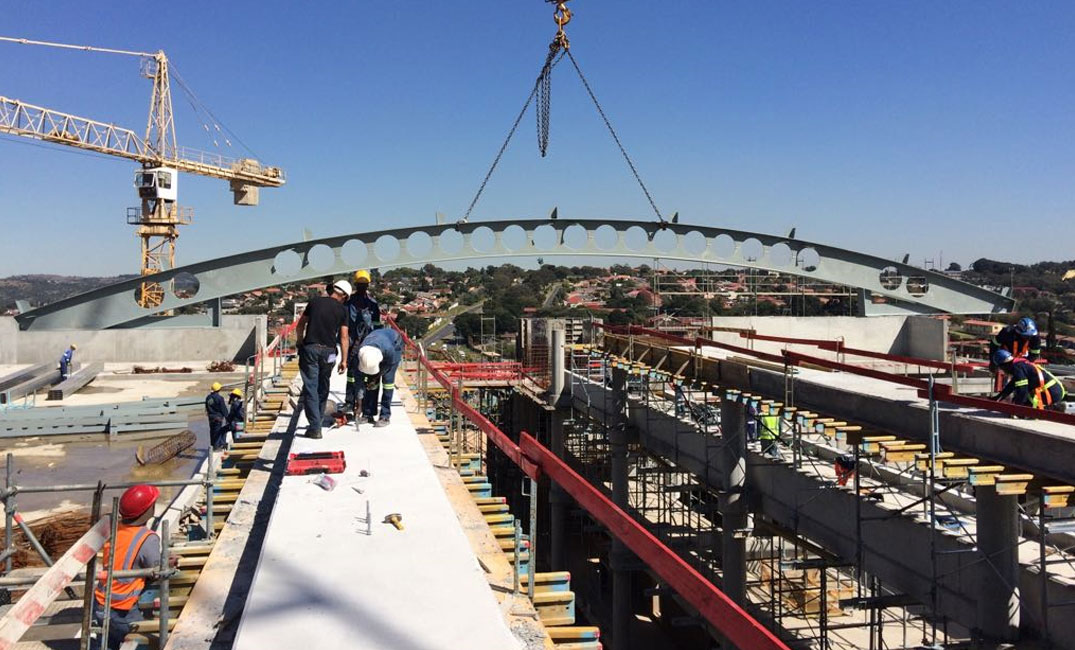
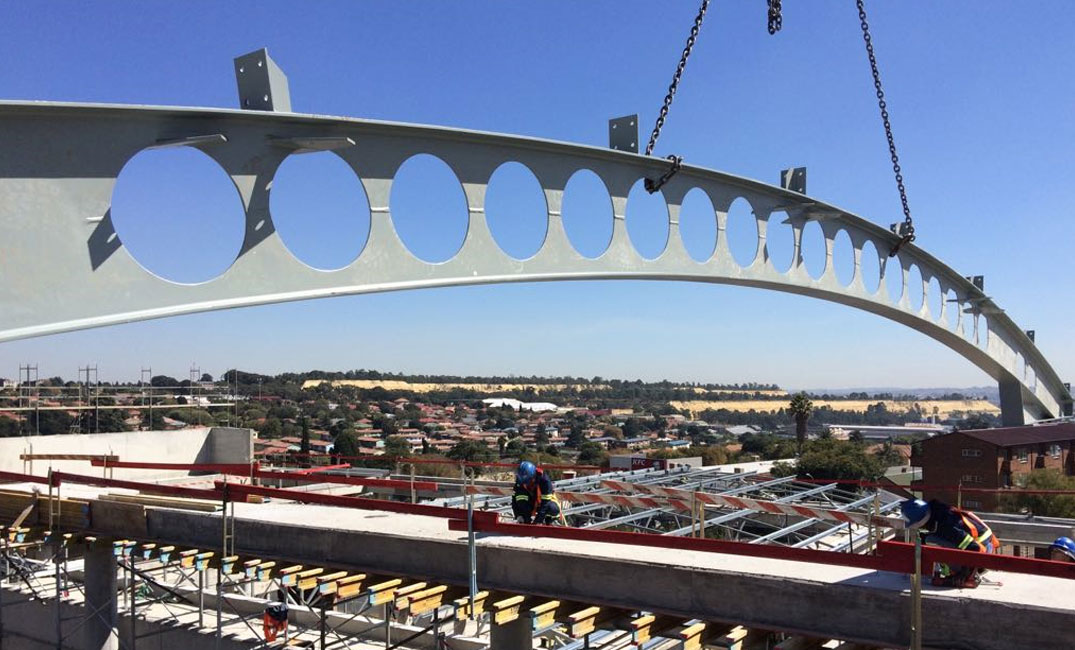
Agricultural steel structures can be erected much faster than conventional buildings. Since the steel components are pre-engineered and fabricated before arriving on site, installation becomes a straightforward process.
Many steel agricultural buildings can be completed in a fraction of the time required for brick-and-mortar construction. This allows farmers to start using the facility sooner, whether it is for storing machinery, protecting harvested crops, or housing livestock.
A quicker construction timeline also reduces labour expenses and minimises disruptions on the farm.
Long-Term Durability
South African farms often face challenging environmental conditions. Strong winds, intense sunlight, heavy rains, and temperature fluctuations can all affect building materials over time.
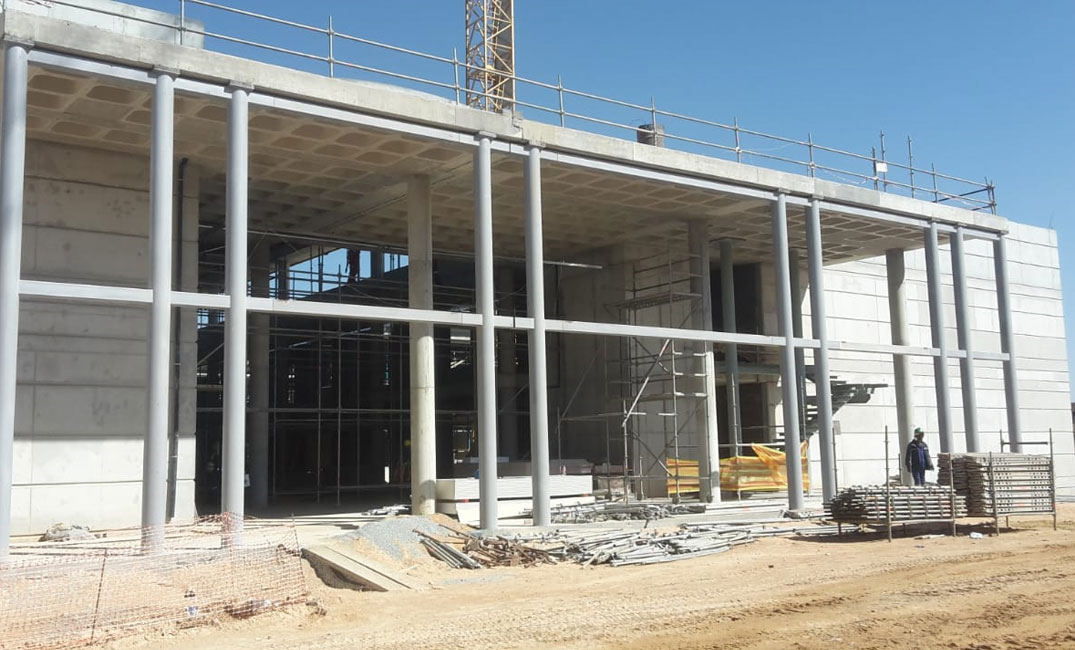
Agricultural steel structures are designed to withstand these conditions. Steel is known for its strength and structural stability, making it ideal for farm buildings that must perform reliably for decades.
Unlike wood, steel does not rot, warp, or attract termites. It also resists many forms of environmental damage that can affect traditional building materials.
For farmers, this durability means fewer repairs and longer service life for their buildings.
Reduced Maintenance Costs
Farm buildings should require as little maintenance as possible. Farmers already have enough responsibilities without needing to constantly repair or maintain infrastructure.
Agricultural steel structures typically require minimal maintenance. With proper protective coatings and quality installation, steel buildings can remain in good condition for many years.
Compared to traditional farm buildings, steel structures often avoid problems such as:
• Termite damage
• Wood rot
• Cracking in masonry walls
• Structural weakening from moisture
Because of this, farmers spend less time and money maintaining their buildings and more time focusing on their farming operations.
Large Open Interior Spaces
Modern farms rely on large equipment such as tractors, harvesters, planters, and trailers. These machines require spacious storage facilities that allow easy access and safe parking.
Agricultural steel structures can span large distances without the need for multiple internal columns. This creates wide open interior spaces that are ideal for storing machinery or organising farm equipment.
Large open spaces also allow farmers to use buildings for multiple purposes, such as:
• Equipment storage
• Feed storage
• Livestock shelters
• Workshop areas
• Crop storage facilities
The flexibility of steel buildings makes them a valuable asset for farms that need adaptable infrastructure.
Easy Expansion as the Farm Grows
Many farms grow over time. As production increases or new equipment is added, additional space may be required.
Agricultural steel structures are well suited for expansion. Because of their modular design, additional sections can often be added to an existing building without rebuilding the entire structure.
This flexibility allows farmers to extend equipment sheds, enlarge storage facilities, or add extra sections for livestock housing as the farm expands.
Planning for expansion from the beginning can save significant costs later.
Better Protection for Equipment and Crops
Farm equipment represents a major financial investment. Protecting tractors, harvesters, and other machinery from the elements is essential for maintaining their lifespan and performance.
Agricultural steel structures provide strong protection against sun, rain, wind, and hail. By keeping equipment under cover, farmers reduce wear and damage caused by weather exposure.
Steel buildings also provide safe storage for harvested crops, feed, and fertiliser. Proper storage facilities help prevent spoilage and reduce losses.
Energy Efficiency Opportunities
Steel agricultural buildings can also support energy-efficient design features. Proper ventilation and insulation can help regulate temperature inside the structure.
Some farms install translucent roof panels or skylights to allow natural light into equipment sheds and workshops. This reduces the need for artificial lighting during the day.
Ventilation systems can also help maintain airflow inside livestock housing facilities, improving conditions for animals.
These design features contribute to a more efficient and comfortable working environment on the farm.
Why Agricultural Steel Structures Make Financial Sense
When farmers consider the full lifecycle cost of a building, steel structures offer clear advantages. Lower construction costs, reduced maintenance, long service life, and the ability to expand all contribute to their financial appeal.
Agricultural steel structures are particularly well suited for South African farming conditions where durability, practicality, and efficiency are essential.
From machinery storage buildings to livestock shelters and crop storage facilities, steel structures provide reliable infrastructure that supports long-term farming success.
Pretorius Structures – Agricultural Steel Structure Specialists
Pretorius Structures is a trusted steel structure building company in South Africa, specialising in commercial, industrial, and agricultural steel structures. Their team designs and constructs strong, practical buildings tailored to the needs of farmers and agricultural businesses.
Pretorius Structures provides steel buildings for equipment sheds, storage facilities, farm workshops, and large agricultural structures. Each project is carefully designed to ensure durability, efficient use of space, and long-term performance.
With extensive experience in steel construction, Pretorius Structures understands the practical demands farmers face. Their focus is on delivering agricultural steel structures that provide reliable protection for equipment, livestock, and crops while offering excellent value for money.
For South African farmers looking to invest in durable farm infrastructure, steel structures offer a cost-effective solution that supports productivity and long-term growth.
