
How to get more leads from your business website
August 14, 2026
Website design trends businesses should know about
August 19, 2026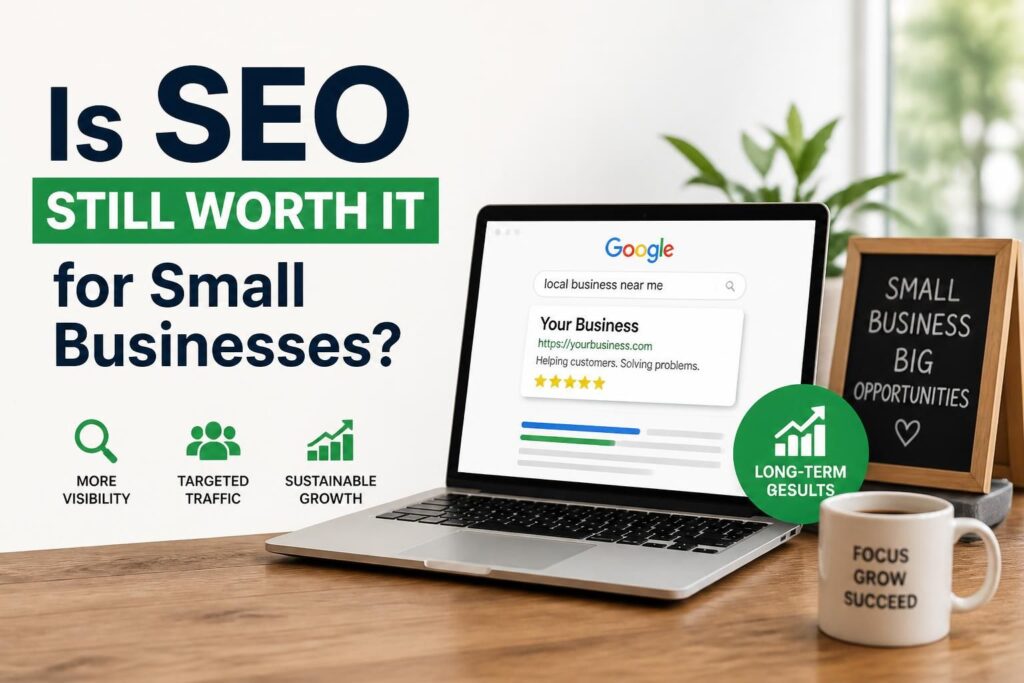





For many small businesses in South Africa, search engine optimization (SEO) remains a meaningful way to attract new customers online. It isn’t a magic wand, but when you combine thoughtful strategy with realistic expectations, SEO can deliver sustainable traffic, credible brand visibility, and qualified leads that don’t disappear when a monthly ad budget runs dry. In a market where Google dominates local search and mobile devices are king, a well-executed SEO plan tailored to local realities can be a smart, cost-effective part of a broader marketing mix. The key is to understand what SEO can realistically achieve for your specific business, how it fits with other channels, and how to measure progress in a way that informs smarter decisions over time.
This article explores whether SEO is still worth it for small businesses in South Africa, how to decide if it makes sense for you, and how to build a practical plan that respects local constraints and opportunities. We’ll cover foundational elements, common pitfalls, and how Siteweb Online Marketing can support businesses wanting to improve their brand awareness, attract better-quality leads, and grow their bottom line through focused search, on-page optimization, and local visibility. Whether you’re in a bustling city or serving regional communities, a disciplined SEO approach can help you show up for the questions your customers are asking online.
Is SEO Still Worth It for Small Businesses?
Yes, but with clear expectations. Organic search traffic remains a powerful channel because it captures people actively seeking information, products or services. For small businesses with limited ad spend, SEO offers a scalable pathway to visibility that doesn’t rely on budget fluctuations. The return on investment comes from long-term traffic growth, higher trust through credible search results, and a compounding effect from high-quality content and technical health. The caveat is that SEO is not a one-off task; it requires ongoing optimization, content creation, and a consistent focus on user intent. When approached correctly, SEO can become a cornerstone of a sustainable growth strategy rather than a one-time project.
In the South African context, local intent matters. Consumers often search for region-specific solutions—think city or town names combined with services. Optimizing for this local intent means ensuring your business appears in local search results, maps, and knowledge panels when relevant. It also means aligning your website with local user expectations, including fast mobile experience, easy contact options, and clear service areas. In many cases, small businesses can achieve meaningful visibility by combining a strong Google Business Profile presence with targeted on-page optimization and a content plan that addresses local questions and needs.
What Has Changed in Local and Organic Search in South Africa?
While the fundamentals of SEO remain intact, search behave shifts and platform updates influence how local audiences find businesses. A few practical realities for South Africa include the increasing importance of mobile-first experiences, faster page speeds, and credible signals of trust such as consistent NAP (name, address, phone) details, clear contact options, and customer reviews. Local intent is often the strongest driver of conversions, so aligning your web presence with your service locations and the needs of nearby communities can yield better results than generic national content.
Content quality and relevance continue to drive rankings. This means answering real questions your potential customers ask, solving concrete problems, and providing practical guidance your audience can use. The more your content demonstrates expertise and helps visitors take the next step, the more likely search engines will reward your pages with higher visibility. It also means that technical health—fast loading pages, mobile compatibility, clean architecture, and crawlable site structure—remains essential. A poor technical foundation can undermine even excellent content and derail otherwise solid ranking opportunities.
When Does SEO Make Sense for a Small Business?
SEO makes sense when you have realistic goals that align with your market, competition, and budget. If your primary objective is steady, cost-efficient growth in organic traffic and you’re willing to invest time into content and technical health, SEO can be a strong fit. For many small businesses, SEO is particularly valuable when combined with other channels, such as local listings and targeted paid search, to capture immediate demand while building long-term visibility. The decision often rests on three questions: what does success look like, how quickly do you need results, and what resources can you allocate for ongoing optimization?
Consider the nature of your offering and typical customer journey. If your customers rely on local services, or if decision-making involves multiple touchpoints (research, comparison, contact), SEO’s advantages compound over time. You may begin with foundational improvements like Google Business Profile optimization and on-page adjustments, then gradually expand into content marketing, blog topics addressing local questions, and strategic link-building that reinforces relevance. The outcome is a gradual, defensible growth in organic visibility that supports long-term lead generation rather than short-term spikes.
How to Decide Your SEO Budget and Goals
A practical approach begins with clarity on the questions your customers ask and the signals you want search engines to understand. Start with a lightweight audit to identify technical issues, content gaps, and local optimization opportunities. Then set goals that reflect your business stage and market realities. For many small South African businesses, reasonable targets include improving rankings for core service keywords, increasing local visibility, and achieving higher click-through rates from search results by providing compelling meta information and structured content.
Budgeting for SEO should reflect both the work that needs to be done and the time horizon required to see meaningful results. A phased plan that combines quick wins (such as Google Business Profile enhancements and on-page tweaks) with longer-term investments (content creation and technical health) tends to deliver more reliable outcomes than an all-at-once approach. It’s also important to allocate resources for measurement and iteration so you can adjust tactics as you observe what works best in your market.
Key Elements of an Effective Small Business SEO Plan
Below is a practical framework you can adapt to your business, with emphasis on local relevance for South Africa and a balanced mix of on-page, technical, and content-focused activities.
Technical Foundations
Technical health is the unsung engine of SEO. Start by ensuring your site is mobile-friendly, loads quickly, uses clean code, and has an accessible structure. Create an XML sitemap, submit it to search engines, and implement structured data where appropriate to help search engines understand your content and services. Fix crawl errors, set up proper 301 redirects for any obsolete pages, and verify your site’s security with HTTPS. A technically sound site reduces bounce rates, improves user experience, and helps your pages rank more effectively over time.
Keyword Strategy and Content Architecture
Develop a keyword map that aligns with real customer intent. Focus on a mix of short-tail and long-tail phrases that reflect local search behavior, such as “SEO for small business South Africa,” “Cape Town Google Business Profile optimization,” or “local SEO for Durban businesses.” Build a content calendar that answers the questions people ask, not just what you sell. Each piece should solve a problem or provide valuable insights, with a clear path to the next step, whether that’s a consultation, a contact form, or a service page.
On-Page Optimization
Every page should have a purpose and a clear alignment between user intent and on-page signals. This includes compelling meta titles and descriptions, descriptive headings (H2, H3), and content that uses keywords naturally without stuffing. Use internal links to connect related topics and guide readers toward services that address their needs. Ensure your business name, address, and phone number appear consistently across the site to support local rankings and user trust.
Local SEO and Google Business Profile
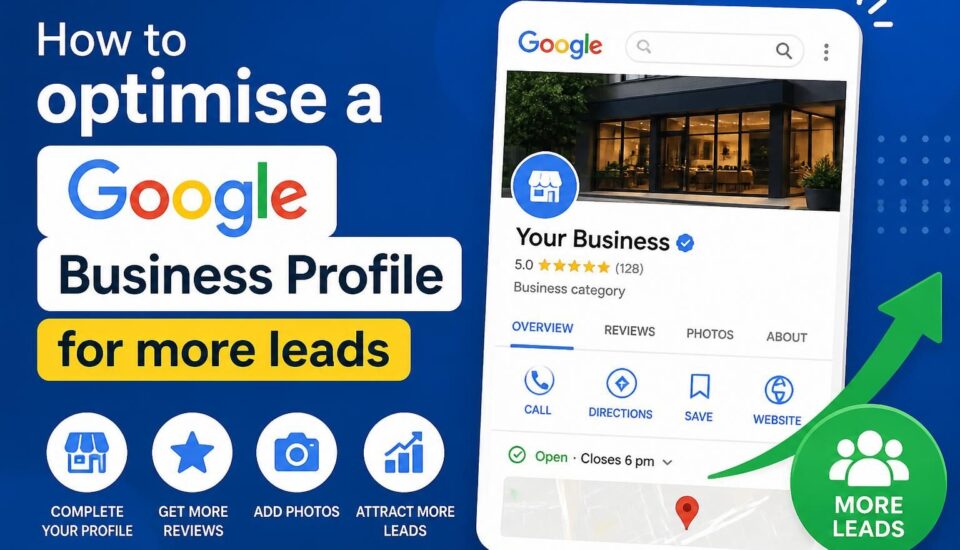
Local SEO for small SA businesses hinges on a solid Google Business Profile (GBP) presence and consistent local citations. Optimize your GBP with accurate business categories, hours, services, and high-quality photos. Encourage and respond to reviews to build trust and demonstrate engagement. Create localized content and landing pages for each service area you serve, so search engines can associate your business with the places you actively support.
Content and Engagement
Publish practical, action-oriented content that helps readers solve real problems. Consider case studies, how-to guides, and resource pages tailored to South African audiences. Include clear calls to action that move readers toward contact or consultation. Content should be adaptable for multiple formats, such as blog posts, videos, and downloadable resources, to maximize reach and impact across channels.
Measurement and Adaptation
Define a small set of KPIs (traffic, rankings for core keywords, local visibility, and conversions) and track them consistently. Use tools to monitor progress, identify successful content topics, and uncover gaps. Revisit your strategy quarterly to adjust priorities based on performance and shifts in market demand. A data-driven approach helps you optimize the ROI of your SEO investment over time.
Siteweb Services for Small Businesses
To accelerate results, Siteweb offers a suite of services designed to complement an SEO-focused strategy. After exploring these options, you can choose a combination that fits your needs and budget. Each service page is designed to integrate with your overall SEO plan to improve visibility, credibility, and leads.
- Google Business Profile Optimisation
- Google AdWords
- Search Engine Optimisation SEO
- Generative Optimization Geo
- Social Media
If you’d like tailored guidance, contact us to discuss a practical plan that matches your budget and timeline. You can reach Siteweb through our contact page for a no-obligation initial consultation and a straightforward map of next steps.
Practical Examples and Common Pitfalls
Many small businesses in South Africa underestimate the time required to see meaningful SEO results. A common mistake is chasing short-term rankings with thin content and poor user experience. Another pitfall is focusing too heavily on generic, non-local keywords that attract broad traffic but few clients. A more effective approach blends local intent with practical content that addresses the real questions customers ask, alongside technical health improvements and a GBP-centered local strategy. If you invest in a well-structured plan, you’ll be better positioned to compete with larger players and scale your results over time.
Conclusion and Next Steps
SEO can still be a valuable channel for small businesses in South Africa, especially when integrated with local optimization, credible content, and a maintained technical foundation. The strength of SEO is its ability to deliver ongoing visibility and qualified traffic that compounds over time, even as paid strategies fluctuate. If you’re unsure where to start, a structured audit and a phased plan are often the best route. Siteweb Online Marketing can help you assess your goals, identify opportunities, and implement a practical plan that aligns with your budget and growth targets. To begin, visit our contact page and schedule a conversation with a specialist who understands South Africa’s local search landscape.